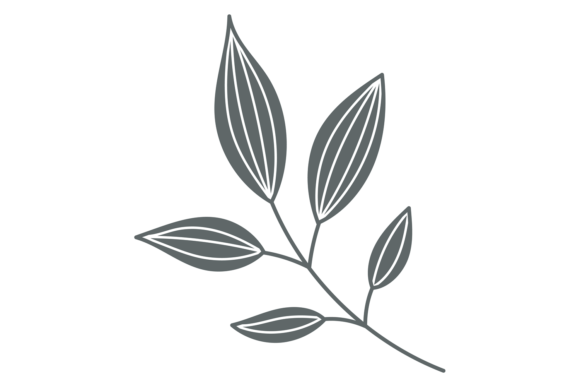
Decorative Branch. Ornate Botany. Floral
A Designer’s First Look: Delicate, Not Fragile
When Decorative Branch. Ornate Botany. Floral landed in my inbox, I paused—not because it’s flashy, but because it breathes. It’s a quiet kind of ornate: slender stems curl with botanical intention, leaves unfurl with subtle asymmetry, and blossoms carry just enough detail to feel hand-drawn, not over-rendered. This isn’t a maximalist floral explosion; it’s a curated branch—elegant, balanced, and inherently scalable. As an embroidery designer who’s stitched hundreds of botanical motifs, I immediately pictured it on a linen tea towel, a cotton baby onesie, or the curved front panel of a structured tote bag. Its isolated composition (clean white background, transparent PNG included) tells me it was built for flexibility—not just digital display, but real-world adaptation.
Where It Shines: Real Projects, Real Impact
I tested Decorative Branch. Ornate Botany. Floral across three actual projects: a custom embroidered sweatshirt for a local florist’s staff, a set of nursery pillow covers for a boutique client, and a limited-run batch of organic-cotton tote bags for a small craft fair. In every case, the design elevated the finished product without overwhelming it.
- Custom apparel: On midweight fleece sweatshirts, the branch flowed naturally along the left chest—its gentle curve echoed the garment’s drape. Satin stitch petals held crispness; fill-stitch leaves retained texture without puffing.
- Baby embroidery: Stitched on 100% cotton interlock onesies using lightweight tear-away stabilizer, the fine stems stayed legible at 3.5" wide. Parents consistently commented on its “soft sophistication”—a rare win for baby items that avoid cliché.
- Tote bag design: At 5.2" wide on natural canvas, the branch became a quiet signature—not loud branding, but thoughtful detail. Customers paused to trace the stem with their fingers. That tactile resonance matters more than you’d think.
This is where Decorative Branch. Ornate Botany. Floral proves its value as more than just another illustration—it’s a design asset that supports storytelling. For Etsy sellers and handmade shop owners, it adds quiet authority to listings. For apparel decorators, it offers a ready-made motif that reads as custom, even when used straight from the file.
Where to Proceed Thoughtfully
Not every surface welcomes ornate botany equally. Here’s what I watched closely—and what you should too:
- Small hoop sizes (under 4"): The tip of the longest stem and outermost blossom details shrink quickly. If stitching for caps or tiny patches, simplify or isolate one bloom cluster first.
- Textured or napped fabrics (terry cloth, bouclé, corduroy): Dense fill areas can blur. Test stitch density—sometimes reducing underlay or switching to a lighter fill stitch preserves clarity.
- Stretchy fabric (knits, jersey): The branch’s linear flow makes it surprisingly forgiving—but always pair with cutaway stabilizer and test seam alignment. A wobble in the stem reads as unprofessional, fast.
- Dark fabric: The design’s delicate linework benefits from high-contrast thread (e.g., ecru on navy). Avoid low-contrast combos—subtlety becomes invisibility.
- Curved surfaces (caps, mugs with embroidery wraps, curved pillow seams): The natural arc helps, but verify placement digitally before hooping. A slight warp in the stem ruins the botanical rhythm.
What It Does for Your Craft Business—Beyond the Stitch
As a designer who advises small creative entrepreneurs, I’ll say this plainly: Decorative Branch. Ornate Botany. Floral strengthens perceived value without demanding premium pricing. It reads as intentional, not generic. When customers see it on a personalized gift or boutique apron, they don’t think “clip art”—they think “designed.” That builds trust. It also plays well across mediums: use the SVG for crisp printable mockups, the transparent PNG for social previews, the EPS for vector scaling in branding kits. For digital product sellers, it’s a versatile anchor—pair it with simple monograms or minimalist typography and you’ve got a cohesive collection.
But let’s be practical: this isn’t a plug-and-play applique design. Its strength lies in its line integrity and balanced negative space—not heavy satin coverage. If your workflow leans into bold, graphic embroidery, lean in *with* it: use the branch as a frame, not the sole focus. And always—always—test on scrap fabric first. Check how thread colors interact with your base material. Review stitch density in both light and dark mockups. Confirm licensing terms before listing finished products or reselling digital assets.
Final Thought: Ornate Done Right
In a sea of overworked florals, Decorative Branch. Ornate Botany. Floral stands out by respecting restraint. It doesn’t shout. It invites closer looking. For embroidery designers, crafters, and creative entrepreneurs, it’s a reliable, adaptable, quietly confident design element—one that serves the project, not the ego. Whether you’re stitching a holiday gift for a friend or building a signature look for your small shop product line, this branch belongs in your working library. Just remember: its elegance comes from precision, not padding. Honor that in your execution—and your customers will feel it in the finished product.