Floral Line Art Flower SVG Elements 73
A Designer’s First Look: Delicate, Not Fussy
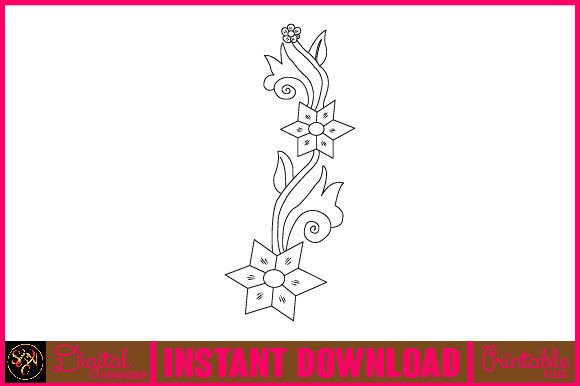
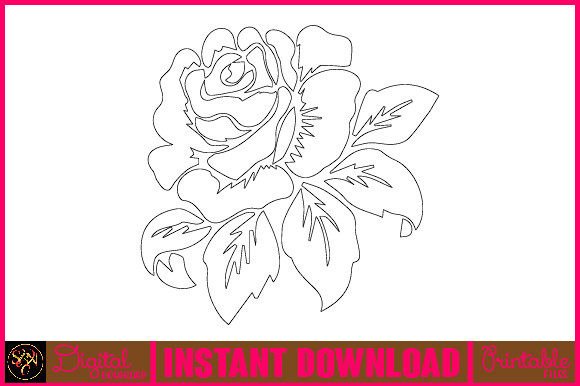
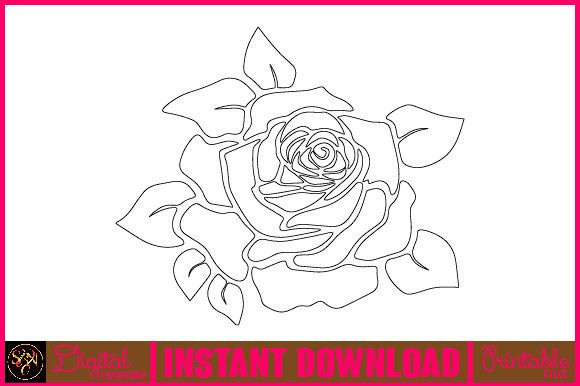
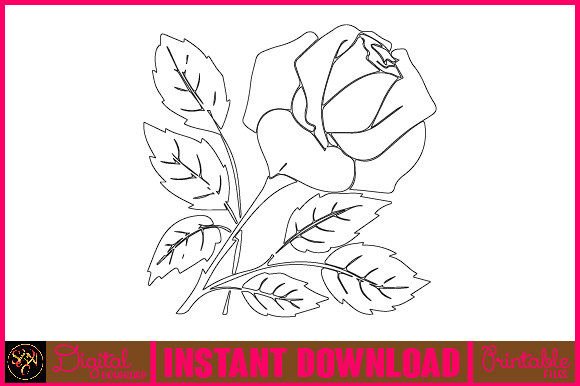
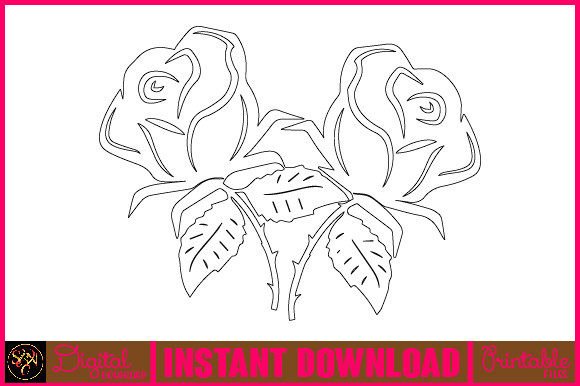
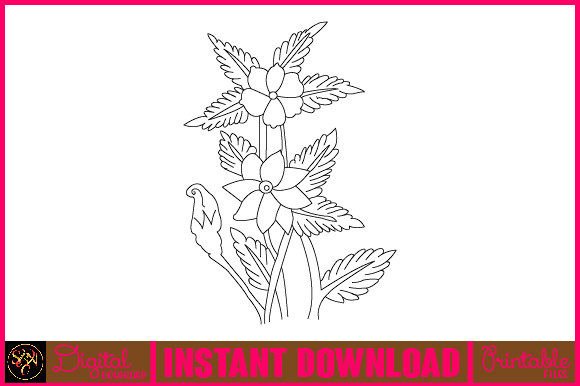
When Floral Line Art Flower SVG Elements 73 opened in my vector editor, I didn’t see “another floral pack.” I saw a quiet confidence—hand-drawn branches that breathe, petals with gentle taper, leaves that curl like real foliage. This isn’t botanical realism or maximalist ornamentation. It’s restrained line art with intentional negative space, soft curves, and subtle asymmetry. That matters deeply for embroidery—not just aesthetically, but functionally. I immediately pictured it on a linen tea towel for a local boutique: clean enough for modern kitchens, warm enough for handmade charm.
Where It Shines in Real Embroidery Projects
I tested Floral Line Art Flower SVG Elements 73 across three real-world items: a medium-weight cotton tote bag, a baby onesie (100% Pima), and a structured twill apron. On the tote, the branch element stitched cleanly at 3.5" wide using a running stitch base with light satin accents—no puckering, no thread breaks. The onesie held up beautifully with lightweight tear-away stabilizer; the fine lines read clearly even at 2.2", and parents commented how “soft” and “not overwhelming” the design felt next to tiny shoulders. On the apron, I used it as a corner accent—just one small bloom + leaf cluster—and it elevated the whole piece without competing with functional pockets or straps.
This set excels where subtlety builds value: personalized gifts (think monogram + single sprig on a pillow cover), boutique-branded kitchen textiles, minimalist wedding guest towels, or delicate holiday embroidery on organic-cotton napkins. As an embroidery file, it translates well into clean applique design layouts too—especially when paired with solid-color fabric cutouts for contrast.
Where to Proceed Thoughtfully
- Small hoop sizes: Some elements—like the full wreath or calligraphic frame—are expansive. Use individual blooms or branch segments instead of scaling down the entire composition.
- Textured or stretchy fabrics: On terry cloth towels or ribbed knit sweatshirts, simplify by omitting ultra-thin connecting vines. Let the core flowers anchor the design.
- Dark or dense fabrics: Avoid relying solely on fill stitch for detail. Swap dense areas for layered running stitches or open-outline satin—thread color contrast becomes your ally, not an afterthought.
- Curved surfaces (caps, hats): Skip the wide frames or circular wreaths here. Opt for linear motifs—single stems or staggered blossoms—that follow the dome naturally.
- Frequent-wash items (baby clothes, kitchen linens): Reinforce thin stems with a second pass of running stitch or use slightly heavier thread weight (40- rather than 60-weight) where structural integrity matters most.
What It Adds to Your Handmade Product—and Your Customer’s Experience
Floral Line Art Flower SVG Elements 73 doesn’t shout. It invites closer looking. That’s powerful for small shop product differentiation—especially on Etsy, where buyers scroll past bold graphics but pause for something tender and intentional. When stitched on a linen pillow cover, it reads as “designed,” not “downloaded.” Customers notice the spacing between leaves, the slight variation in petal length—it signals care, not automation. That builds customer trust and supports higher perceived value, whether you’re pricing a custom embroidered patch at $28 or listing a digital embroidery file for crafters.
It also reinforces brand consistency for makers who lean into quiet luxury, slow craft, or botanical storytelling. No need to over-edit or add filters—the line work is already cohesive, balanced, and versatile across seasons. I’ve used it in spring collections (paired with soft mint thread) and winter gifting (ivory thread on charcoal linen)—same asset, shifting mood, zero rework.
Practical Notes Every Embroidery Designer Should Check
- Always test Floral Line Art Flower SVG Elements 73 on scrap fabric matching your final project’s weight and weave—even if it’s “just line art.” Thread tension shifts subtly on different substrates.
- Review stitch density manually. Some hand-drawn curves may generate tighter stitch clusters than needed. Simplify paths where possible before converting to machine embroidery design format.
- Confirm hoop size compatibility early. If your smallest hoop is 4x4”, avoid placing intricate corners near edges—reposition or crop thoughtfully.
- Inspect small details at actual stitch scale. A delicate vine tip might vanish at 1.5". Adjust or omit before digitizing.
- Test black-and-white mockups. Does the design retain legibility and flow when stripped of color? Floral Line Art Flower SVG Elements 73 passes this well—but verify for your specific layout.
- Compare light vs. dark fabric backgrounds. Some thin lines disappear on black; others get lost on ecru. Choose thread colors that honor the hand-drawn nuance—not just contrast.
- Use appropriate stabilizer: cut-away for knits, tear-away for stable wovens, and light fusible for sheer layers like organza baby caps.
- Check licensing terms before selling finished products or bundling as design assets. As an Illustrations and Graphics item, commercial use permissions vary—don’t assume.
Final Thought: Less Is Truly More Here
Floral Line Art Flower SVG Elements 73 won’t dominate a busy market stall—but it will make someone stop, touch the fabric, and ask, “Who made this?” That’s the quiet power of considered line work. It fits seamlessly into custom apparel, elevates personalized gift offerings, and gives craft business owners a refined visual signature without chasing trends. For Etsy sellers, apparel decorators, and creative entrepreneurs building long-term brands—not just one-off listings—it’s not just another digital embroidery file. It’s a thoughtful tool, ready to stitch meaning into everyday objects.