Floral Line Art Flower SVG Elements 70: Graphics & Illustrations
First Impression: Delicate, Hand-Drawn Warmth for Authentic Branding
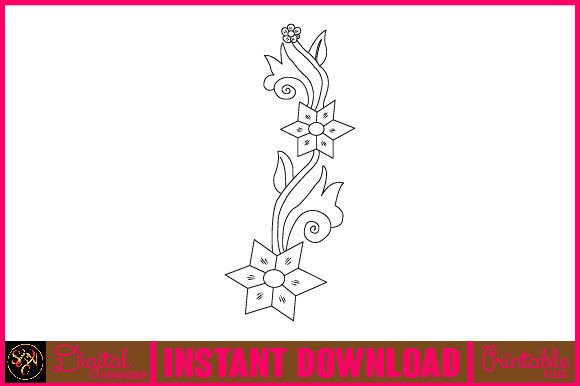
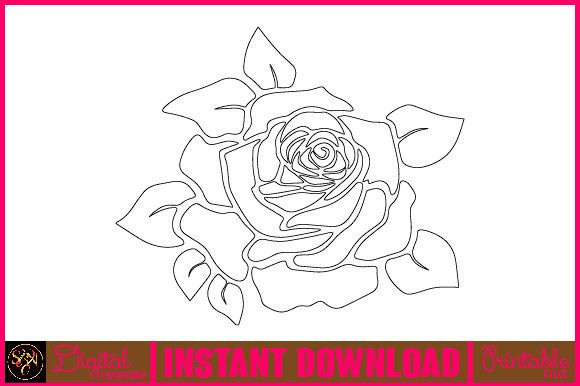
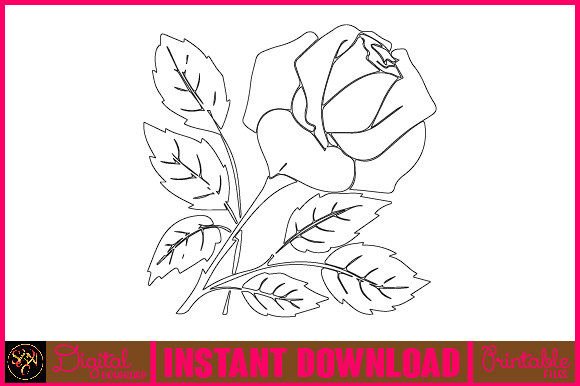
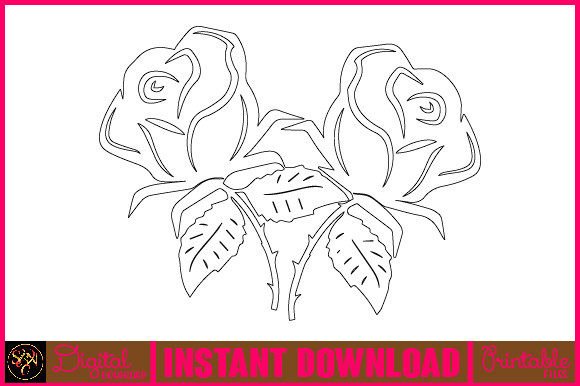
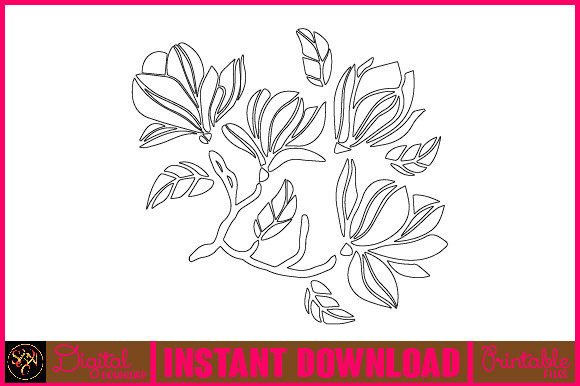
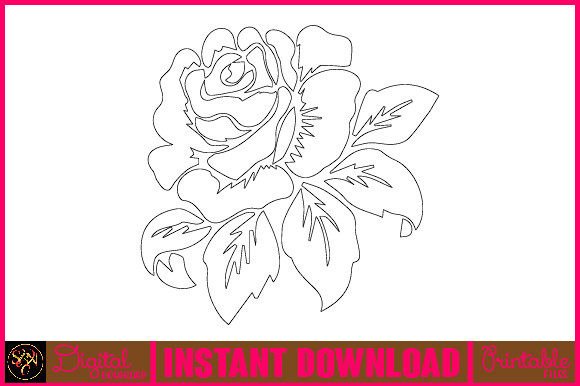
Opening Floral Line Art Flower SVG Elements 70, I immediately sensed its quiet confidence—not flashy, but deeply intentional. This isn’t mass-produced clipart. It’s a cohesive set of hand-drawn floral line art with branch motifs, botanical leaves, calligraphic flourishes, and subtle wreath structures. The linework breathes: uneven pressure, organic tapering, gentle curves—exactly what handmade businesses, seasonal campaigns, and artisanal product lines need to signal authenticity. For my current client—a small-batch herbal tea brand launching spring packaging—I knew this graphic design asset could anchor the entire visual mood: soft but grounded, elegant but approachable, botanical without being clinical.
Where It Shines in Real Client Projects
Floral Line Art Flower SVG Elements 70 excels where emotional resonance matters most. In packaging design, it adds tactile charm to product labels and box accents—especially when layered over kraft paper or matte-finish substrates. As part of a brand identity system, individual elements work beautifully as decorative frames around ingredient lists or certification badges. For social media graphics, it elevates Instagram posts and Pinterest pins without competing with copy; the line weight holds up well at thumbnail size while retaining character. I’ve used specific wreath variants as hero graphics on Etsy product banners and Canva templates for wedding stationery—always paired with a clean sans serif to balance the organic flow.
It’s also exceptionally versatile across commercial design contexts: sublimation design for tote bags, t-shirt design for boutique apparel lines, sticker design for subscription boxes, and printable design for planners or wall art sold on digital marketplaces. In editorial design and blog visuals, single stems or leaf clusters serve as elegant dividers or section anchors—far more distinctive than stock icons. And for Cricut projects? These SVG files scale flawlessly, cut cleanly on vinyl, and retain their expressive quality even at 3" height.
Strategic Placement: Hero, Accent, or Supporting Cast?
This design bundle thrives in three key roles: hero graphics (full-wreath compositions on landing pages or product mockups), decorative accents (subtle corner flourishes on invitations or digital ads), and themed collection unifiers (consistent botanical motifs across a print-on-demand mug + notebook + greeting card set). I recently applied a simplified branch element as a continuous border along the spine of a client’s recipe booklet—creating rhythm and reinforcing their “farm-to-table” narrative without a single word.
It performs best in large layout areas where its craftsmanship can be appreciated, and on light or mid-tone backgrounds where contrast supports readability. On product mockups—especially ceramic mugs or linen napkins—it adds warmth and dimension that flat vector patterns often lack.
Use With Intention: Where Caution Applies
That said, Floral Line Art Flower SVG Elements 70 isn’t universally deployable. Avoid using intricate wreaths in small sizes (under 1.5")—fine linework blurs or disappears on mobile feeds or tiny stickers. In crowded layouts—like dense event flyers or multi-layered digital ads—it risks visual noise unless isolated with generous negative space. It also struggles against complex or low-contrast backgrounds; test every element on both light and dark versions of your client’s palette before finalizing.
This is not ideal for minimalist corporate branding, legal services, or tech startups seeking sharp, high-precision aesthetics. Its charm lies in imperfection—so it shouldn’t carry primary logo design duties unless the brand voice explicitly embraces handcrafted warmth. Likewise, avoid pairing it with ultra-thin display fonts or rigid geometric typefaces; it harmonizes best with warm serifs, friendly sans serifs, or restrained script fonts.
Designer Notes: What to Verify Before Client Use
Before integrating into any commercial design, I always run these checks:
- Test all SVGs in black and white—some delicate branches fade on grayscale printouts.
- Preview each element at actual usage sizes: 24px for web icons, 300dpi at 4" for printables, 1200px width for hero banners.
- Place assets on real product mockups—not just white backgrounds—to assess scale and proportion.
- Confirm PNG versions include crisp alpha transparency (no halo or anti-aliasing bleed).
- Inspect SVG paths for excessive anchor points—this affects editability in Illustrator or Cricut Design Space.
- Compare how elements pair with the client’s existing font stack: does the line art echo the x-height rhythm? Does the flourish angle align with letter terminals?
- Verify commercial license covers *all* intended uses—especially for print-on-demand, sublimation, and digital resale (e.g., Canva templates or Etsy printables).
Why It Earns a Spot in My Creative Toolkit
In a landscape saturated with generic floral clipart, Floral Line Art Flower SVG Elements 70 stands out because it feels *designed*, not assembled. It supports visual hierarchy by guiding the eye—not shouting, but inviting. It builds brand consistency through repetition of motif without monotony. Most importantly, it deepens emotional appeal: customers connect with the human touch in the linework, translating directly to trust and engagement for handmade businesses and small business branding.
For designers building seasonal campaigns, launching Etsy products, or refining packaging design for local makers, this is more than a design bundle—it’s a shortcut to visual storytelling that feels personal, polished, and purposeful. When aligned with smart typography, thoughtful spacing, and authentic brand voice, Floral Line Art Flower SVG Elements 70 doesn’t just decorate—it communicates.