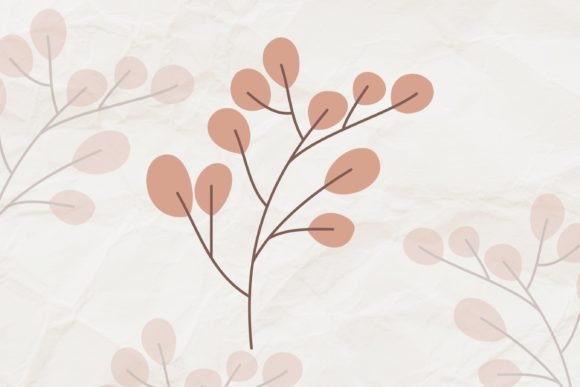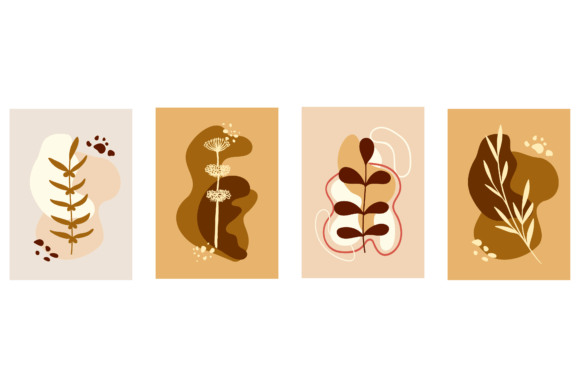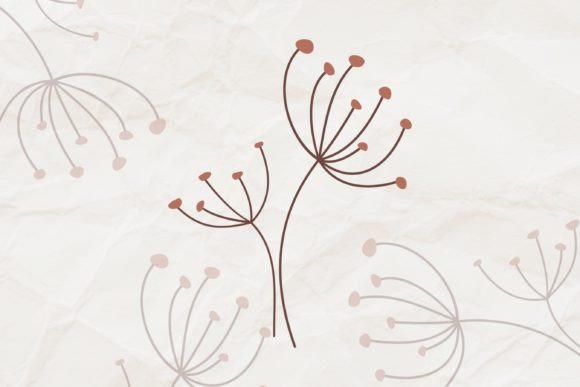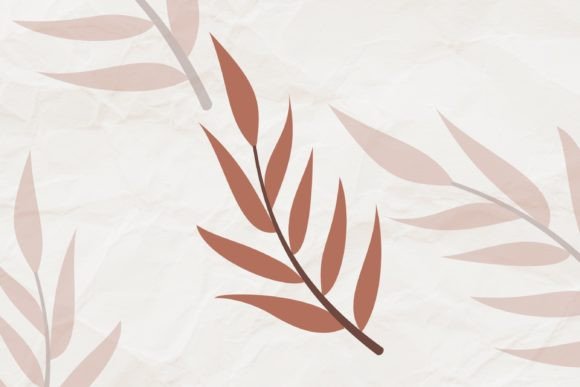
Flower, Floral, Boho Botanical Vector
Let’s be real: I opened Flower, Floral, Boho Botanical Vector expecting something airy and decorative—but what landed in my preview window was a quiet confidence. This isn’t just another floral clipart pack. It’s a cohesive, hand-drawn-feeling botanical element with intentional negative space, organic line weight variation, and that unmistakable boho rhythm—loose enough to feel handmade, structured enough to hold up under needle and thread.
I tested it last week on a custom embroidered linen tote for a local boutique—a piece meant to sit beside hand-thrown mugs and dried flower bundles. The design went onto the lower right corner, scaled to 3.2 inches wide. No heavy fill, no fussy gradients—just clean vector lines translated into satin and running stitches. And it worked. Not perfectly at first (more on that in a moment), but *well enough* that the client texted me two days later saying, “People keep asking where the design is from.” That’s the sign of a design that reads clearly, feels intentional, and doesn’t shout over the product it lives on.
What This Design Actually Wants to Be
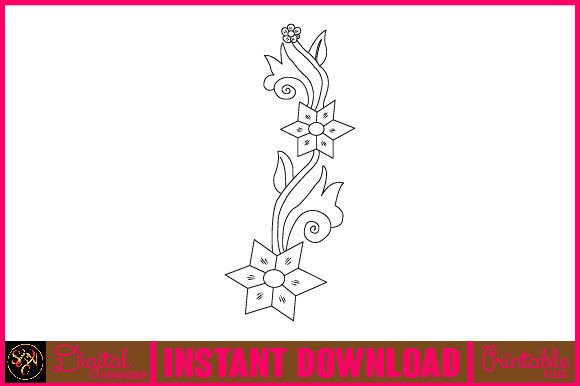
Flower, Floral, Boho Botanical Vector isn’t built for dense monograms or tiny collar accents. It breathes best at 2.5–4.5 inches, placed where fabric has room to move—think center chest on a relaxed-fit sweatshirt, side seam of a cotton apron, or upper corner of a tea towel. Its strength lies in its asymmetry: one looping vine, a single open bloom, subtle leaf clusters—all arranged with gentle imbalance. That makes it ideal for personalized gifts (a baby onesie with one small bloom near the shoulder), boutique branding (embroidered on the hem of a linen pillow cover), or holiday embroidery like a rustic kitchen towel for Thanksgiving gifting.
It’s not a standalone logo—it’s an accent. A whisper, not a declaration. So if you’re sourcing for an Etsy seller building a cohesive line of boho home goods, this fits naturally alongside macramé hangers and ceramic plant markers. As an embroidery file, it translates cleanly into satin stitch outlines and light fill-stitch petals—no jagged edges, no collapsed inner loops. That matters when stitching on textured fabrics like terry cloth or slubbed linen.
Where It Stumbles (and How to Fix It)
Don’t drop Flower, Floral, Boho Botanical Vector straight onto a curved cap front without testing. The longest vine element stretches slightly, and on tight curves, that can distort stitch alignment or cause puckering—especially with lightweight stabilizer. Same goes for stretchy fabric: knits need cutaway + tear-away combo stabilizing, and even then, I’d recommend shortening the vine by 10–15% for anything going on a crewneck sweatshirt.
Dark fabric? It holds up well—if your thread colors are rich and contrast-driven (deep rust, forest green, charcoal gray). But avoid pastel threads on black; the delicate linework gets visually lost. Thin fabrics like rayon challis or silk-blend voile also demand caution: reduce stitch density manually if your software allows, or opt for a simplified version using only outline + key accent stitches instead of full fill areas.
And here’s the quiet truth: this design doesn’t love tiny hoops. Below 3 inches, the inner petal details start to blur. If you’re making embroidered patches or cap badges, scale down *only* after checking how the smallest leaves and vine terminations digitize. Some versions may need manual cleanup—especially if the original vector includes hairline strokes too fine for standard embroidery resolution.
How It Shapes Perception—Before and After Stitching
Customers don’t buy stitches—they buy feeling. When Flower, Floral, Boho Botanical Vector lands on a finished product, it signals care, curation, and quiet craftsmanship. Not mass-produced, not algorithmically generated. That affects trust: buyers browsing your Etsy shop pause longer. They imagine giving it as a wedding gift or keeping it for themselves as a “slow living” anchor. That perception lifts perceived value—even on a $28 tote bag.
For craft businesses, it supports brand consistency without locking you into one style. Pair it with minimalist typography for a modern-apothecary look, or layer it softly behind watercolor-style text for a vintage botanical vibe. It works in printable mockups too—the clean vector base means crisp digital previews, whether you’re showing off a new sweatshirt embroidery or prepping a craft fair display board.
Practical Notes Every Embroidery Designer Should Check
- Always test on scrap fabric first—especially if stitching on textured, dark, or stretchy materials.
- Review thread color contrast before finalizing. What reads beautifully on screen may vanish on navy twill.
- Confirm hoop size compatibility. This design shines between 4x4 and 5x7 hoops; pushing beyond may require repositioning or simplification.
- Inspect small details at actual stitch size: check vine ends, petal tips, and leaf junctions for potential thread breaks or density issues.
- Test in black-and-white mockups to gauge visual weight and balance—color can mask structural weakness.
- Compare performance on light vs. dark fabric backgrounds, both digitally and physically.
- Use appropriate stabilizer: medium-weight cutaway for knits, tear-away for stable wovens, and hybrid for textured surfaces.
- Verify licensing terms before selling finished products or bundling as part of a digital embroidery file collection.
As a designer who’s turned hundreds of illustrations into machine embroidery designs, I’ll say this plainly: Flower, Floral, Boho Botanical Vector isn’t flashy—but it’s reliable. It doesn’t try to do everything. It does one thing beautifully: bring soft, grounded botanical warmth to handmade products without overwhelming them. Whether you’re embroidering baby items, curating small shop merchandise, or building digital design assets for fellow crafters, this is the kind of illustration that earns repeat use—not because it’s trendy, but because it *works*, quietly and consistently, project after project.