Set Floral Nature Flower Design
A Designer’s First Look: Soft, Balanced, and Ready for Real Fabric
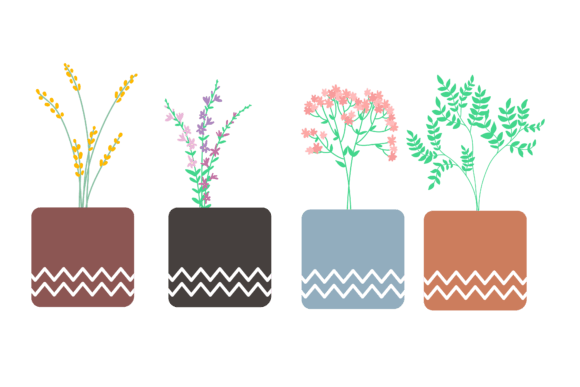
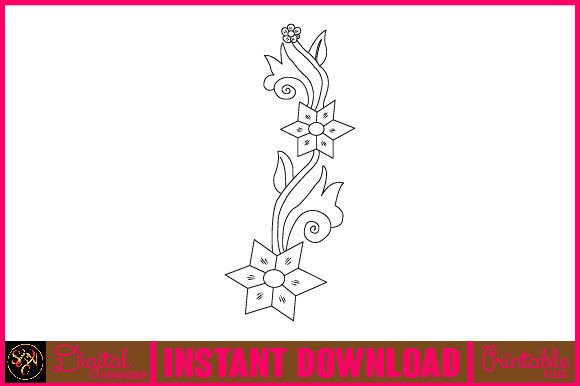
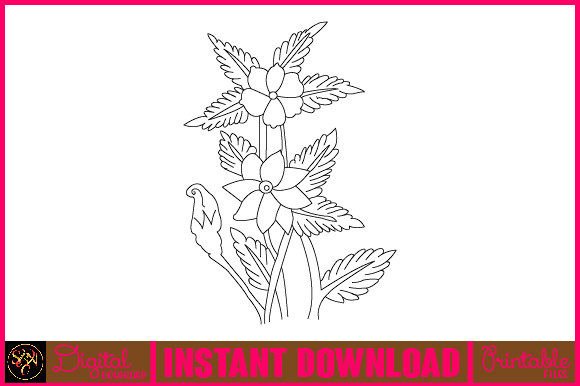
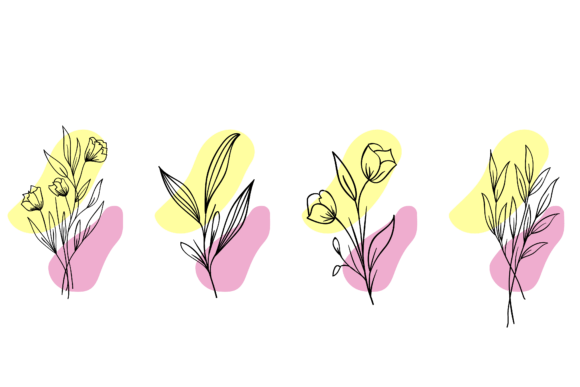
Opening Set Floral Nature Flower Design feels like unrolling a sketchbook page filled with quiet confidence—not loud or overly intricate, but thoughtfully composed. The layout flows naturally: a central bloom flanked by trailing stems and delicate leaves, with subtle negative space breathing around the edges. It reads as botanical, not botanical-illustration—more garden journal than field guide. That distinction matters. This isn’t a design that shouts; it invites touch, slows the eye, and lands softly on apparel or home goods. I immediately pictured it stitched onto a linen tea towel for a local boutique—clean, handmade, quietly elegant.
Where It Shines: Real Projects, Not Just Pixels
I tested Set Floral Nature Flower Design in three real-world contexts: a medium-weight cotton tote bag (for weekend markets), a lightweight organic cotton baby onesie (for a client’s nursery collection), and a twill apron (for a small-batch kitchen brand). In each case, the design held its shape without overcrowding the surface. On the tote, it landed just right—centered below the handle seam, large enough to read at arm’s length but not so dense it buckled the fabric. On the onesie, the scale felt generous but never overwhelming, and the gentle curves translated well into satin stitch petals. The apron? Perfectly balanced above the pocket—adding personality without competing with functional details.
This is where Set Floral Nature Flower Design earns its keep: it supports the product instead of dominating it. It works beautifully for custom apparel, sweatshirt embroidery, embroidered patches, pillow covers, and holiday embroidery like spring-themed baby blankets or Easter kitchen towels. Etsy sellers will appreciate how easily it slots into printable mockups—its clean lines render crisply in both light and dark fabric previews. As a digital embroidery file, it’s versatile enough for craft business branding (think subtle logo accents on packaging tags) and personalization without needing heavy editing.
Where to Pause—and Why
That same softness becomes a consideration on certain substrates. On stretchy fabric like jersey tees or thin knit caps, I recommend reinforcing with cutaway stabilizer and reducing stitch density slightly—some of the finer leaf veins may blur if tension isn’t dialed in. Curved surfaces (like structured caps or rounded pillow forms) require careful hooping and possibly slight repositioning to keep the floral symmetry intact. And while the design avoids tiny lettering or micro-details, the outermost petal tips and stem ends are delicate—test those areas first on scrap fabric, especially for baby embroidery or items meant for frequent washing.
Dark fabric brings out its strength: the open composition lets thread colors sing without visual clutter. But on heavily textured fabrics—burlap, thick terry cloth, or quilted cotton—some of the subtlety gets lost. In those cases, I’d suggest simplifying the design manually (removing one or two secondary stems) rather than forcing full coverage. It’s not an applique design built for heavy layering, nor is it optimized for ultra-dense fill stitch backgrounds—it leans into clarity, not contrast.
What It Adds to Your Finished Product
Set Floral Nature Flower Design quietly lifts perceived value. Customers notice craftsmanship in balance and spacing—not just color. When stitched cleanly, it signals care: a handmade product made with intention, not just speed. For small shop owners and creative entrepreneurs, that builds trust. A personalized gift with this design doesn’t feel generic; it feels chosen. On an Etsy listing, it performs well because it’s distinctive without being niche—appealing to nature lovers, modern minimalists, and vintage-inspired shoppers alike.
Brand consistency stays intact, too. Its neutral botanical tone adapts seamlessly across product types—same design on a sweatshirt, matching tea towel, and embroidered patch creates cohesion without repetition. And because it avoids trendy motifs (no flamingos, no neon suns), it won’t date your inventory quickly. That longevity matters for craft fair products and boutique branding.
Practical Notes from My Embroidery Hoop
- Always test first: Run a sample on scrap fabric matching your final substrate—even if it’s the same fiber content, texture and weave change everything.
- Check thread color contrast early: Try your top three thread options against both light and dark fabric swatches before stitching the full piece.
- Review stitch density visually: Zoom in on the AI and SVG files—look for tight clusters near petal centers or stem junctions. If they appear overly dense, adjust in your embroidery software before hooping.
- Confirm hoop size compatibility: At 1920px × 1280px canvas size, this design scales well—but verify your machine’s max hoop dimensions before resizing down for smaller items like caps or baby hats.
- Inspect small details: Those slender leaf tips? They’re lovely in vector form, but in satin stitch on fine fabric, they may need slight widening for stability.
- Mock it in black and white: Print a grayscale version to assess tonal balance—this reveals whether any area will disappear on dark fabric or get lost in shadow.
- Stabilizer matters more than you think: Medium-weight tear-away works for stable cottons; switch to cutaway for knits, blends, or anything destined for regular laundering.
- Licensing check is non-negotiable: Since this is listed under Illustrations and Graphics, confirm whether the license permits commercial embroidery use—especially if you plan to sell finished products or resell digital embroidery files.
Final Thought: A Quiet Workhorse, Not a Showstopper
Set Floral Nature Flower Design won’t go viral for flash—but it will earn repeat orders, thoughtful customer notes (“So perfectly stitched!”), and steady sales across seasons. It’s the kind of embroidery file that disappears into the product just enough to feel intentional, not imposed. Whether you’re an embroidery designer building a cohesive collection, an Etsy seller curating spring-themed listings, or a small shop owner refreshing kitchen linens, this design earns its place—not through novelty, but through reliable, graceful performance. It’s ready for real work. Just remember to test, stabilize, and trust your own eye before committing to the final hoop.