Floral Flower Liner Art
A Designer’s First Look: Delicate, Not Fussy
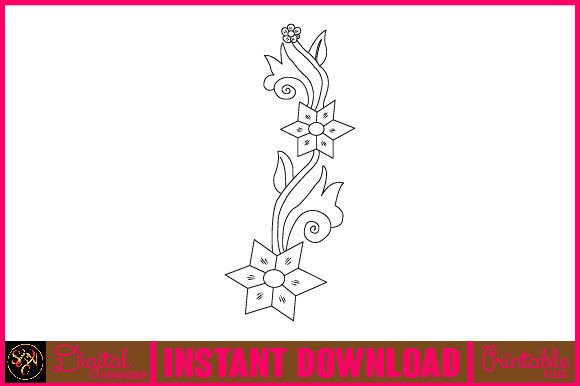
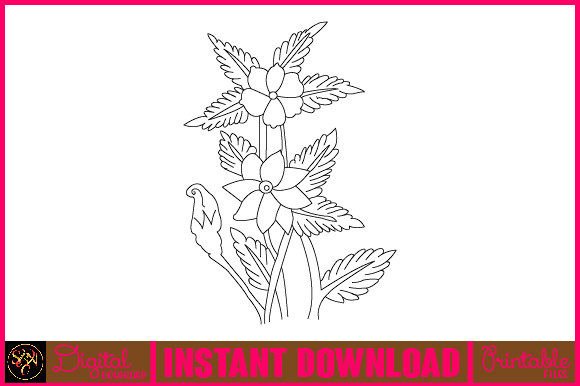
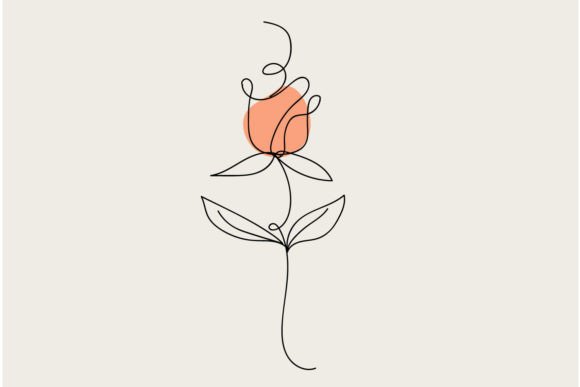
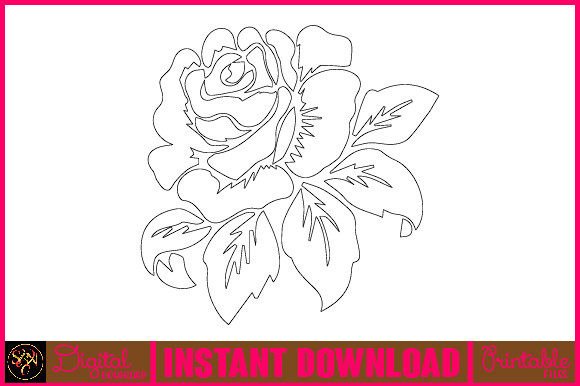
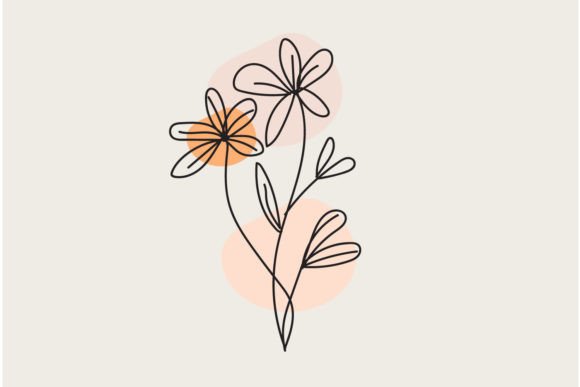
When I opened the Floral Flower Liner Art ZIP folder, what struck me first wasn’t technical precision—it was intention. This isn’t a dense bouquet or a bold botanical statement. It’s a quiet, continuous line drawing—think stem winding into petal, leaf curling back on itself, no fill, no shadow, just confident contour. The mood is gentle but intentional: soft enough for baby onesies, refined enough for boutique aprons, and versatile enough to anchor a holiday tea towel or elevate a custom embroidered tote bag.
Where It Lives Best in Real Embroidery Projects
I tested Floral Flower Liner Art as the central motif on a natural linen pillow cover—and it sang. On medium-weight fabric with a light tear-away stabilizer, the running stitch interpretation translated cleanly: fluid, legible, and quietly elegant. That same simplicity makes it ideal for sweatshirt embroidery where heavy fills would overwhelm the knit texture. It also works beautifully as an embroidered patch—clean edges hold up well when heat-sealed or stitched onto denim jackets or canvas caps.
For Etsy sellers and small shop owners, this design fits neatly into several high-demand niches: nursery decor (stitched on organic cotton swaddles), personalized gifts (monogrammed + liner art on kitchen towels), and boutique branding (subtle sleeve detail on aprons or tote bags). Because it’s built as clean vector-based Illustrations—not raster-heavy Graphics—it scales without distortion, whether you’re digitizing for a 3-inch hoop on a baby onesie or expanding it to 6 inches across a blanket edge.
Where Caution Is Warranted
This isn’t a one-size-fits-all machine embroidery design. Its strength—minimalist linework—becomes its limitation in certain contexts. On stretchy fabrics like jersey or ribbed knits, fine lines can distort if stabilizer isn’t carefully matched. On dark fabric, thread color contrast becomes critical: a pale ecru thread may vanish unless you choose a slightly heathered or tonal match. And on textured surfaces—like terry cloth towels or bouclé blankets—the line can blur visually unless stitch density is kept moderate and needle size adjusted.
Small hoop sizes (under 4 inches) demand attention too. While the core shape of Floral Flower Liner Art fits comfortably, tight corners or overlapping stems may require manual cleanup in your embroidery software to avoid unnecessary jump stitches or tension hiccups. And if you’re planning applique design integration—say, layering the liner over a satin-stitched floral base—test alignment early. The clean SVG and EPS files help, but physical stitching behavior doesn’t always mirror screen preview.
What It Adds to Your Finished Product—Beyond Aesthetics
Customers notice subtlety. When I added Floral Flower Liner Art to a set of handmade oven mitts, buyers didn’t just comment on “how pretty it was”—they mentioned “feeling cared for,” “seeing the thought in the line,” and “trusting the quality because it didn’t look mass-produced.” That’s the power of intentional linework: it signals craftsmanship, not automation. For craft business owners, that perception lifts perceived value, supports premium pricing, and strengthens brand consistency—especially if you use the same liner motif across product families (e.g., matching tea towels, napkins, and aprons).
It also performs well in digital spaces. The high-quality PNG with transparent background made creating printable mockups effortless—no fringing, no guesswork. And because the AI and EPS files are truly editable vectors, I could easily adapt one stem segment into a repeating border for a wedding gift pillow cover. That flexibility matters when you’re juggling multiple client requests or seasonal collections.
Practical Notes Every Embroidery Designer Should Run Through
- Always test on scrap fabric first—especially if using it on curved surfaces like caps or sleeves, where tension shifts affect line continuity.
- Check thread color contrast on both light and dark fabric backgrounds before digitizing. A single-color stitch file will only be as strong as your thread choice.
- Review stitch density—this design doesn’t need heavy fill stitches, so keep running or outline stitch settings lean to avoid puckering.
- Confirm hoop size compatibility with your intended project. While scalable, very long stems may require repositioning on smaller hoops.
- Inspect small details at actual stitch-out size—tiny loops or intersections can collapse or blur if digitized too tightly.
- Test black-and-white mockups to assess visual weight and balance without color distraction.
- Use proper stabilizer: light cutaway for knits, tear-away for stable wovens, and fusible for lightweight silks or voiles.
- Verify licensing terms before selling finished items or bundling Floral Flower Liner Art as part of a digital embroidery file pack—commercial use permissions vary widely across Graphics and Illustrations categories.
Final Thought: A Quiet Workhorse, Not a Flashy Gimmick
Floral Flower Liner Art won’t shout from a craft fair table—but it will draw people in, slow them down, and make them pause longer than expected. It’s the kind of design that earns repeat customers, not viral shares. Whether you’re embroidering baby embroidery for a newborn announcement, building a cohesive line of small shop products, or sourcing reliable design assets for client apparel projects, this liner art delivers consistent, thoughtful presence—without demanding constant adjustment. It’s not flashy. It’s functional, flexible, and quietly confident. And in embroidery, that’s often exactly what sells.