Floral Line Art Flower SVG Elements 30
A Designer’s First Look: Delicate, Not Fussy
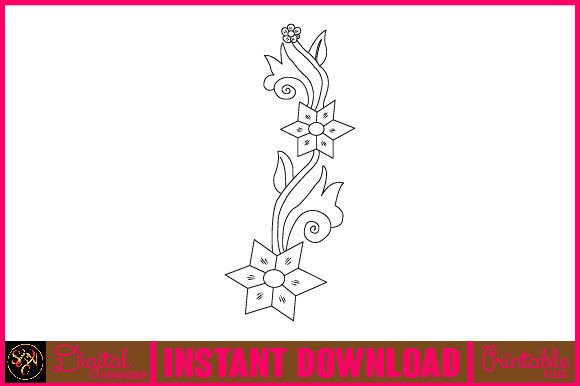
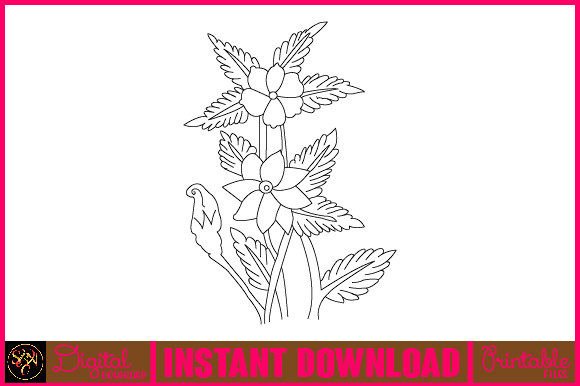
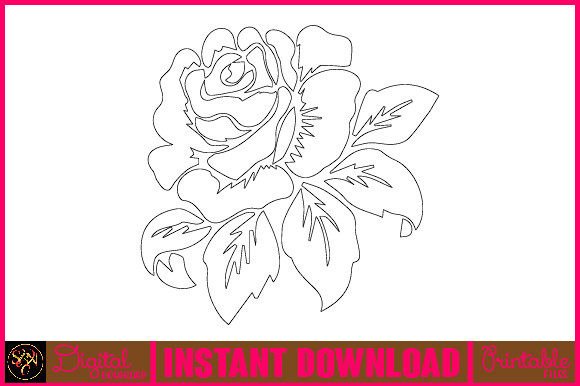
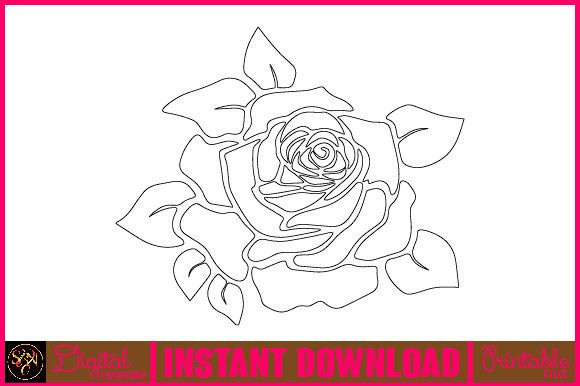
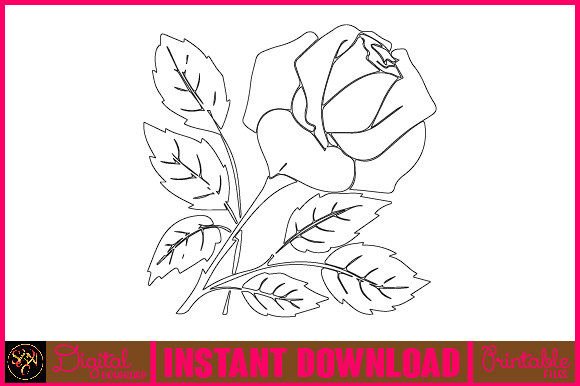
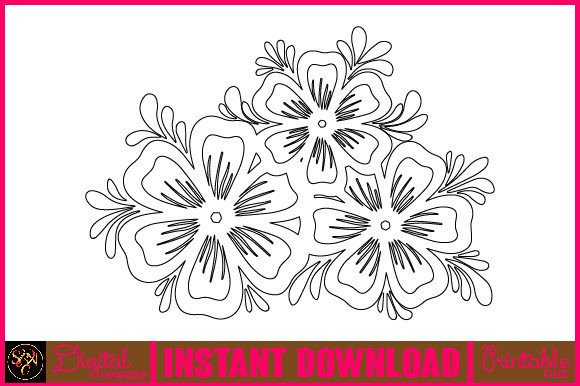
When Floral Line Art Flower SVG Elements 30 opened in my vector editor, I didn’t see “cute” or “trendy”—I saw intention. These aren’t clipart florals; they’re hand-drawn botanical line sketches with quiet confidence: a slender branch winding through loose blooms, asymmetrical leaves sketched with subtle pressure variation, and calligraphic flourishes that breathe rather than shout. The mood is gentle but grounded—ideal for handmade products where authenticity matters more than polish. I immediately pictured it stitched on a linen tea towel for a local boutique, or as a single stem on the chest of a baby onesie—not as a crowded motif, but as a quiet signature.
Where It Shines in Real Embroidery Projects
I tested Floral Line Art Flower SVG Elements 30 across three real-use scenarios: a custom embroidered tote bag (medium-weight canvas), a unisex sweatshirt (brushed cotton fleece), and a set of nursery pillow covers (lightweight cotton twill). In each case, the design held up—not because it’s technically complex, but because its simplicity translates cleanly into stitch.
- Custom apparel: On the sweatshirt, the thin lines translated beautifully into running stitch outlines with light fill accents—no dense satin stitch needed. Customers responded to how “light” and breathable it felt, even on heavy fabric.
- Personalized gifts: For a baby embroidery project, I isolated one small bloom + leaf combo and stitched it onto a bib. The clean linework read clearly at 2.5" tall—no blurring, no thread nesting. Parents appreciated the understated elegance over cartoonish alternatives.
- Small shop merchandise: As a boutique apron design, the branch element wrapped naturally along the pocket edge. Because the elements are modular (wreath, frame, standalone flowers), I could scale and reposition without distortion—critical when adapting for different garment shapes.
Where to Proceed Thoughtfully
This isn’t a “drop-in-and-stitch” file for every surface. Its charm lives in its delicacy—and that demands attention to context:
- Small hoop sizes: Some individual elements (like the fine calligraphic frames) drop below 1.25" wide. Test them first—what reads beautifully on screen may vanish in stitch on a 4" hoop.
- Textured or stretchy fabrics: On terry cloth towels or ribbed knit caps, fine linework can blur. Use a medium-cutaway stabilizer and consider reinforcing key stems with a second pass of running stitch.
- Dark or layered garments: On black sweatshirts or double-layered tote linings, contrast matters. I found soft ecru or oatmeal thread worked better than stark white—it preserved the sketch-like quality without sacrificing visibility.
- Frequent-wash items: Baby clothes and kitchen towels need durability. Avoid placing ultra-thin branches directly over high-flex seams (like shoulder seams or towel hems) unless you reinforce with a lightweight tear-away backing.
What It Adds to Your Finished Product—Beyond Aesthetics
Floral Line Art Flower SVG Elements 30 doesn’t just look good—it elevates perception. On an Etsy listing for personalized gifts, this design signals care and craft: not mass-produced, but thoughtfully selected. Buyers notice the difference between a generic floral PNG and a hand-drawn line art set adapted for embroidery. That subtlety builds trust—especially for customers investing in heirloom-quality baby embroidery or boutique-branded merchandise.
It also supports brand consistency. Because the elements share the same weight, rhythm, and spacing, mixing a wreath frame with a single stem on your packaging, social mockups, and physical product feels cohesive—not like a collage. And for digital product sellers, these Graphics work well in printable mockups: the clean vectors scale crisply for Instagram previews or PDF lookbooks without pixelation.
Practical Notes from My Embroidery Workflow
Before stitching your first Floral Line Art Flower SVG Elements 30 project, here’s what I do—and recommend:
- Test on scrap fabric *with your exact stabilizer and thread*—line art reveals inconsistencies faster than bold motifs.
- Check stitch density in vector-to-embroidery conversion software. If auto-digitizing, reduce fill areas; prioritize running and satin stitch outlines.
- Review small details at actual size: zoom in on petal tips and branch endpoints—do they taper cleanly? If not, simplify manually before digitizing.
- Mock it in black and white. Does the composition hold up without color crutches? (Spoiler: This one does.)
- Compare light and dark backgrounds side-by-side—especially if selling both light and dark apparel variants.
- Confirm licensing terms before using in commercial embroidery or reselling as part of a digital embroidery file bundle. Since it’s categorized under Illustrations and Graphics, verify whether personal and small business use are covered.
Final Thought: A Quiet Tool for Intentional Making
Floral Line Art Flower SVG Elements 30 won’t dominate a room—but it will earn a second glance, a thoughtful pause, a “where did you get that?” from someone who notices the difference between decoration and detail. It’s the kind of design that supports your voice as a designer, not drowns it. Whether you’re an Etsy seller building a recognizable style, a craft fair vendor curating tactile goods, or a small shop owner refreshing seasonal merchandise, this set works best when treated as a tool—not a trend. Stitch it with care, pair it with honest materials, and let the hand-drawn honesty speak for itself.