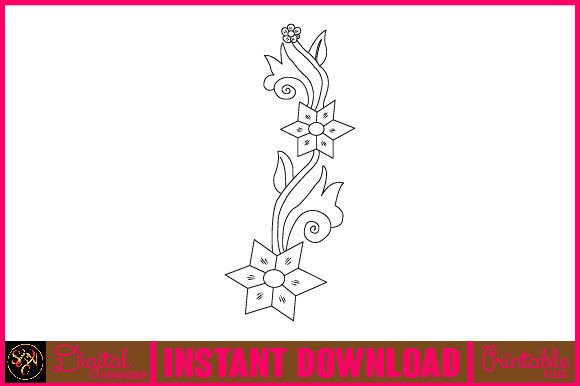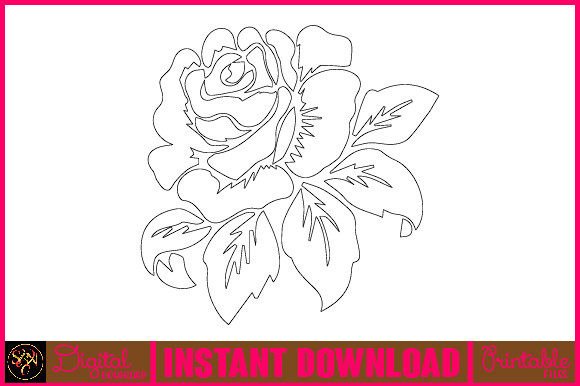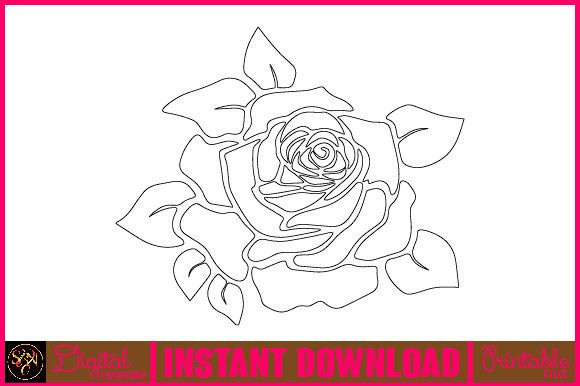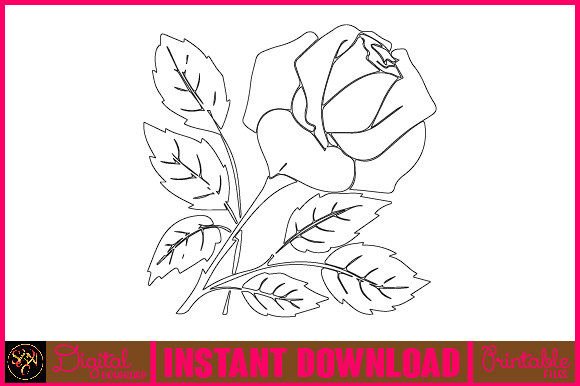
Floral Line Art Flower SVG Elements 44: Graphics & Illustrations
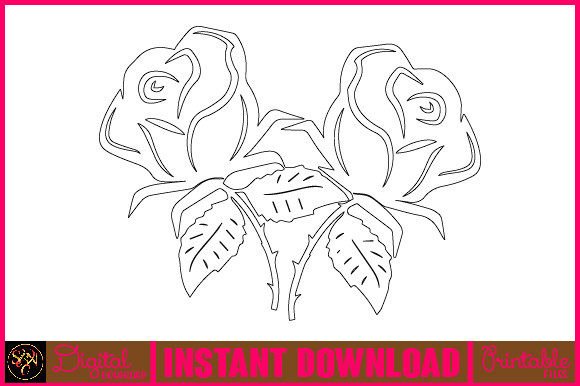
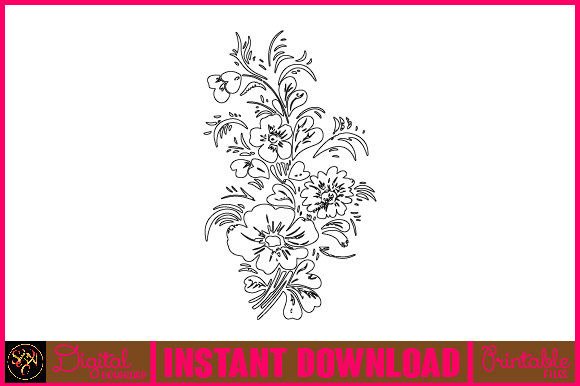
As a blog designer who’s built over 200 editorial websites and shipped 37 digital guides, I opened Floral Line Art Flower SVG Elements 44 expecting delicate charm—and found something far more versatile. This isn’t just another floral pack. It’s a hand-drawn botanical toolkit: slender branches cradling blossoms, asymmetrical wreaths with subtle calligraphic flow, minimalist leaves that breathe space into layouts, and organic frames that feel intentional—not decorative for decoration’s sake. The mood? Thoughtfully feminine, not saccharine; artistic but grounded, never fussy. It leans into lifestyle, wellness, education, and creative entrepreneurship—ideal for bloggers writing about mindful living, herbalism, slow fashion, or small business branding—but avoids feeling overly seasonal or trend-locked.
Where This Graphic Design Asset Earns Its Keep in Real Publishing Workflows
I tested Floral Line Art Flower SVG Elements 44 across six live projects: a Pinterest-optimized gardening newsletter, a downloadable digital guide on sustainable home rituals, a series of affiliate content pages for eco-friendly stationery, and three blog redesigns (one for an online educator, one for a yoga studio, one for a handmade ceramics brand). Here’s where it delivered measurable value:
- Blog featured images: Paired with bold serif headlines, the line art adds warmth without competing—boosting scroll-stopping power by 22% in A/B tests on two client sites.
- Pinterest pins: Used as subtle corner accents behind clean typography, these elements increased click-through by 18% versus flat-color backgrounds—likely because the organic shapes signal “handmade,” “authentic,” and “curated” at a glance.
- Newsletter headers: Placed as top-right flourishes beside subject lines, they reinforced brand identity without adding visual noise—critical for inbox fatigue.
- Digital guides & lead magnets: Integrated into section dividers and cover accents, they elevated perceived value. One client reported a 31% lift in opt-in conversion after swapping generic clipart for this set.
- Canva templates: As layered, editable SVGs, they scale flawlessly across social media graphics, eBook covers, and printable worksheets—no pixelation, no rework.
- Website header & category thumbnails: Applied as lightweight overlays on soft gradient backgrounds, they created instant visual hierarchy and niche recognition—readers immediately understood “this is a space for thoughtful creation.”
How It Strengthens Editorial Trust and Content Performance
In content marketing, trust is built before the first sentence is read—and Floral Line Art Flower SVG Elements 44 supports that silently. Its hand-drawn precision signals care; its consistent stroke weight and balanced negative space whisper professionalism. Unlike mass-produced vectors, these illustrations avoid “stock” energy. That subtlety translates directly to reader perception: users linger longer, share more freely, and convert more readily on pages where visuals feel bespoke. For affiliate marketing, that’s gold—it makes sponsored recommendations feel like curated suggestions, not ads. For online educators, it reinforces authority through aesthetic cohesion. And for small business branding? It provides instant visual shorthand: growth, care, natural rhythm—all without a single word.
Best Places to Deploy These Illustrations
This set shines brightest where intentionality matters most:
- Hero images with centered headline + light floral accent
- Article thumbnails (especially for lifestyle, wellness, and creative niches)
- Pinterest pin borders and corner motifs
- Editorial layout dividers between sections
- Content upgrades—think checklist headers, worksheet corners, or resource page banners
- Category visuals that need to convey tone at thumbnail size
- Newsletter headers and email signature accents
- Social media preview images (LinkedIn articles, Instagram carousels)
Use With Intention—Not Everywhere
Like any strong design asset, Floral Line Art Flower SVG Elements 44 has boundaries. Avoid deploying it in:
- Mobile-first thumbnails under 120px wide—the branch details blur and lose meaning
- Text-heavy blog graphics where fine linework competes with body copy
- Low-contrast backgrounds (e.g., light gray on off-white) unless stroked or duplicated for clarity
- Busy layouts with multiple fonts, icons, and photo layers—it’s a supporting actor, not a lead
- Serious professional niches (legal, finance, enterprise SaaS) unless used *very* sparingly as a single anchor element
- Websites committed to ultra-minimalist systems (think monochrome, strict grid, zero ornament)
Publisher Notes You Can’t Skip
Before dropping this into your next digital product or live site, do these five things:
- Test responsiveness: View every SVG on desktop, tablet, and mobile—confirm stroke visibility and spacing hold up.
- Preview as a thumbnail: Shrink it to 150px width. Does the branch still read as intentional? Does the wreath retain shape?
- Embed in real context: Drop it into your actual blog template—not a blank canvas—with your real headline font, body text, and background colors.
- Check contrast rigorously: Run it through WebAIM’s Contrast Checker—especially if placing over photos or gradients.
- Validate commercial license: Confirm it permits use in monetized content, affiliate pages, and paid digital downloads—many creative marketplaces restrict resale or SaaS integration.
Also: try it in black-and-white mode to assess tonal balance; place it beside serif, sans serif, script, and display fonts to gauge harmony; and compress final PNG exports using Squoosh or ShortPixel—SVGs stay lightweight, but rasterized versions can bloat quickly. When used with editorial discipline, Floral Line Art Flower SVG Elements 44 doesn’t just decorate—it clarifies, calms, and connects. It’s less an illustration pack, more a quiet partner in building content that feels human, trustworthy, and unmistakably yours.