Floral Line Art Flower SVG Elements 47: Graphics & Illustrations
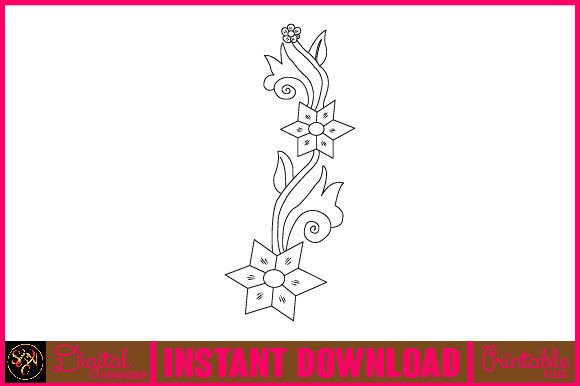
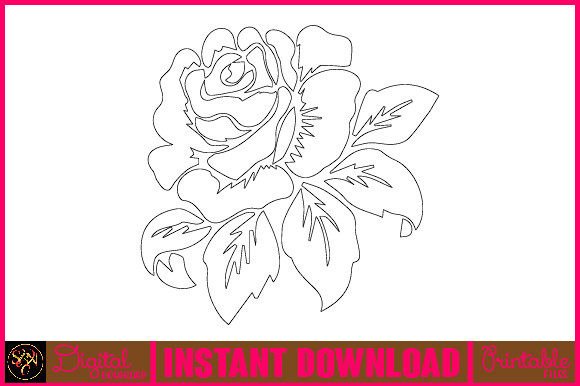
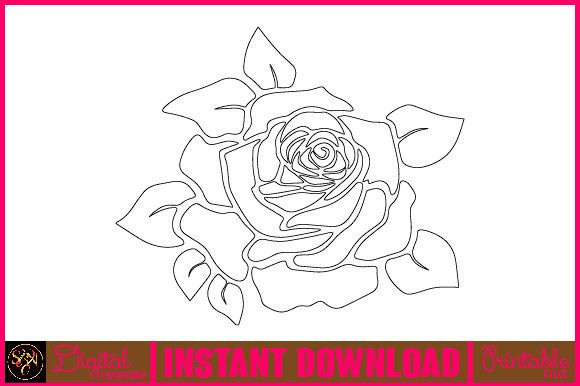
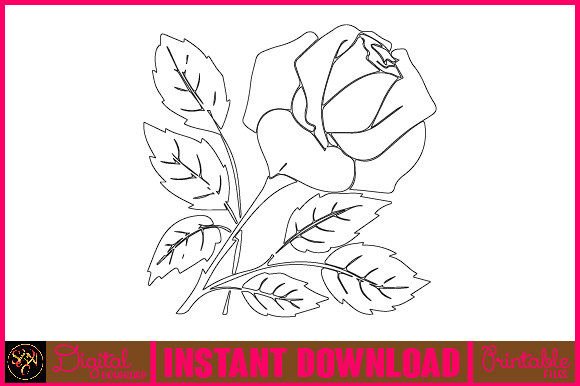
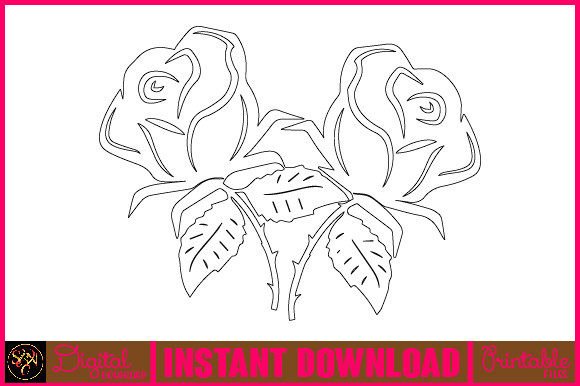
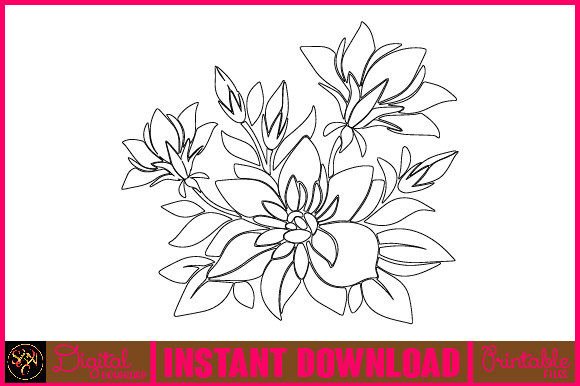
As a blog designer who’s shipped over 300 editorial redesigns and published two digital magazines, I opened Floral Line Art Flower SVG Elements 47 expecting charm—but what landed was quiet authority. This isn’t just decorative filler. It’s a cohesive set of hand-drawn botanical line art: delicate branches, asymmetrical wreaths, calligraphic flourishes, single-stem florals, and layered leaf motifs—all rendered in clean, confident strokes. The mood is softly intentional: feminine without cliché, artistic without pretension, organic yet precise. It leans into lifestyle, wellness, slow living, herbal education, mindful entrepreneurship, and creative small business branding—not corporate finance or SaaS tutorials.
Why This Set Earns Editorial Trust—Not Just Aesthetic Appeal
Readers decide in under 800 milliseconds whether your content feels credible, curated, or careless. Floral Line Art Flower SVG Elements 47 builds trust through visual consistency and craft. Because each element is hand-drawn—not algorithmically generated—it carries subtle variation: slight tapering in stems, irregular petal spacing, organic weight shifts in line thickness. That human rhythm signals authenticity. When used as a website header, newsletter banner, or featured image, it tells readers, “This site values intention—not just speed.” That matters deeply for affiliate marketing pages, digital guides, and lead magnets where perceived expertise drives conversions.
Real Publishing Uses That Actually Move the Needle
- Blog featured images: Layer a wreath behind a bold headline in Canva—creates instant visual hierarchy and Pinterest-ready contrast.
- Pinterest pins: Use individual floral frames to enclose tips, quotes, or checklist items—boosts dwell time and saves.
- Digital guides & worksheets: Add branch motifs as section dividers or corner accents—elevates printable design without overwhelming text.
- Newsletter headers: Pair a single-line blossom with serif body copy—adds warmth while keeping focus on your voice.
- Category thumbnails: Assign distinct elements (e.g., vine for “Gardening,” wreath for “Self-Care”)—improves category recognition at a glance.
- Content upgrades: Embed subtle line art into opt-in checklists or resource libraries—makes freebies feel like premium creative design.
- Social media graphics: Scale single stems to fit Instagram Stories or X banners—maintains clarity even at small sizes.
Where It Strengthens Your Visual Identity—And Where to Pause
This graphic design asset shines brightest where elegance supports clarity: hero images with ample negative space, article thumbnails with centered typographic treatment, editorial accents that frame pull quotes, and downloadable resources where botanical minimalism reinforces themes of growth, balance, or natural systems. It also works exceptionally well inside Canva templates—especially for educators building course workbooks or small business owners designing brand kits.
Use with caution in contexts demanding stark neutrality: legal disclaimers, technical documentation, enterprise B2B dashboards, or mobile-first layouts where tiny thumbnails dominate. Avoid pairing it with ultra-thin fonts or low-contrast backgrounds—it needs breathing room and tonal definition. And while it’s perfect for seasonal content (spring launches, summer newsletters), don’t force it into year-round “corporate” visuals unless you’re intentionally softening tone.
Publisher Notes You’ll Wish You’d Had Before Hitting Publish
Before dropping Floral Line Art Flower SVG Elements 47 into your next campaign, run these checks:
- Preview it at actual thumbnail size—does the branch motif still read as intentional, not fuzzy?
- Test it inside your live blog layout—does it harmonize with your headline font? Try it beside serif (e.g., Merriweather), sans-serif (e.g., Inter), script (e.g., Pacifico), and display fonts (e.g., Playfair Display).
- Check contrast: place white line art on light taupe vs. charcoal—does readability hold? Flip it to black on ivory for printables.
- Verify file handling: SVGs should stay vector-based when embedded—no rasterization. If exporting to PNG for social, compress to under 150KB without blurring edges.
- Confirm commercial license terms—this is essential for monetized websites, affiliate content visuals, and paid digital products like eBooks or courses.
How It Fits Into Modern Content Marketing—Without Feeling Trend-Dependent
In an era of AI-generated sameness, Floral Line Art Flower SVG Elements 47 stands out by embracing analog integrity. It doesn’t chase trends—it supports timeless editorial design principles: balance, rhythm, restraint, and resonance. For digital marketers building brand identity across platforms, it offers a flexible anchor: use the wreath as a logo lockup variant, the branch as a divider in email sequences, or individual blossoms as bullet points in a digital guide. Because it’s built for scalability and layering, it adapts to evolving needs—from a simple blog graphic today to a full Canva template suite tomorrow.
A Final Thought for Creative Entrepreneurs
If you're sourcing design assets from a creative marketplace, ask yourself: does this help me communicate *who I am*, not just *what I sell*? Floral Line Art Flower SVG Elements 47 does exactly that—for bloggers crafting serene editorial experiences, educators designing grounded learning materials, and small business owners building warm, memorable digital presences. It’s not background noise. It’s visual punctuation—with intention, texture, and quiet confidence. And in content publishing, that punctuation often decides whether someone scrolls—or stops, reads, trusts, and shares.