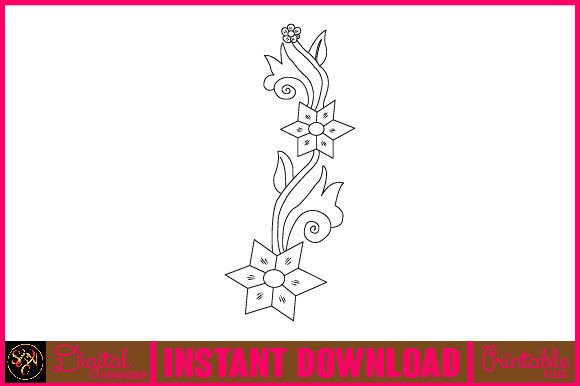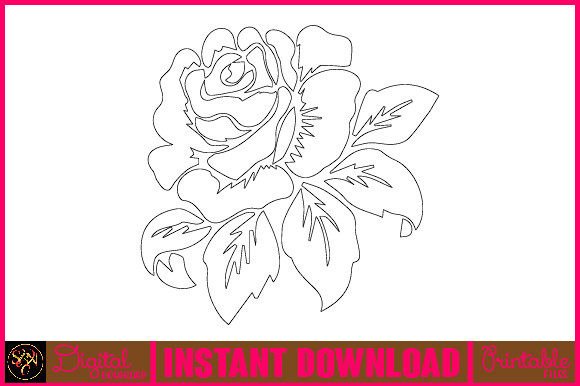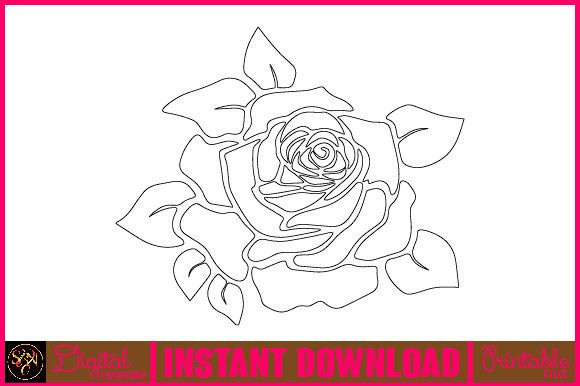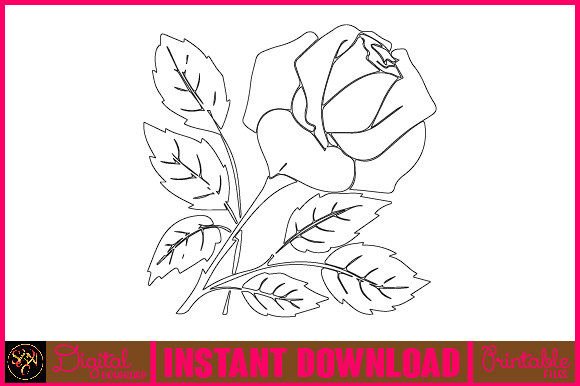
Floral Line Art Flower SVG Elements 88: Graphics & Illustrations
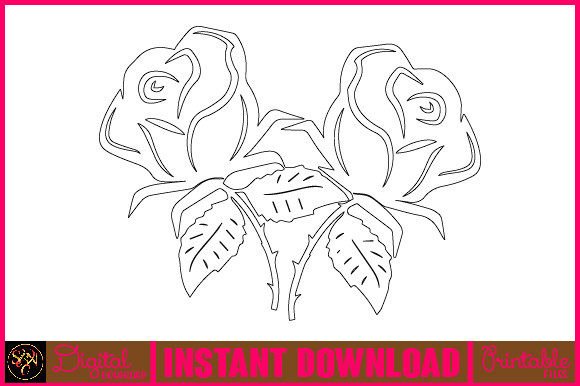
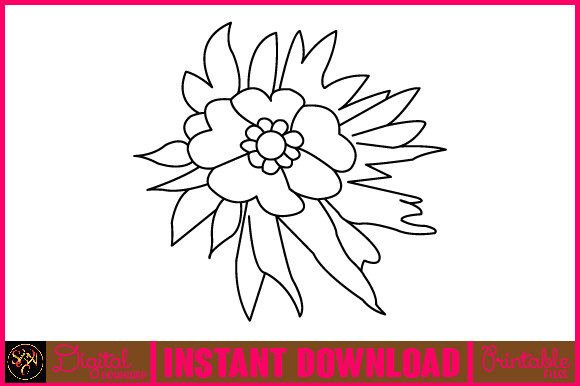
As someone who’s launched over 200 digital product listings across Etsy, Creative Fabrica, and Shopify—and built three print-on-demand shops—I opened Floral Line Art Flower SVG Elements 88 expecting another generic floral pack. Instead, I found a cohesive, hand-drawn botanical collection with quiet confidence: delicate linework, intentional negative space, and a subtle calligraphic rhythm in the stems and curves. It leans feminine but not saccharine, elegant but not stiff—ideal for small business branding that values craftsmanship over clutter.
This isn’t bold maximalist florals or trendy tropical graphics. It’s quieter. Think nursery prints, wedding invitation suites, artisanal soap labels, or minimalist planner stickers—not festival tees or neon tumbler wraps. The mood is grounded in botanical illustration tradition: leaves unfurl with natural asymmetry, flowers vary in openness and petal count, and the “branch” motif ties elements together without feeling repetitive. That cohesion makes it unusually versatile for themed bundles and visual storytelling.
In real shop prep, I tested Floral Line Art Flower SVG Elements 88 across five product types before finalizing my Etsy listing:
- SVG products for Cricut users: All 88 elements imported cleanly into Design Space. Cut lines were precise on medium-thickness cardstock—no jagged edges or stray anchor points. I avoided using the most intricate wreaths for tiny vinyl decals (under 1.5”), but the single stems and leaf clusters cut flawlessly.
- Printable wall art: Scaled beautifully at 8×10” and 16×20”. The line weight holds up well in matte prints—no fading or pixelation. Paired best with soft neutral backgrounds or textured paper mockups to preserve its handmade feel.
- Canva templates: Dropped seamlessly into invitation, social media post, and blog graphic templates. Works especially well layered behind serif headings (e.g., Playfair Display) or beside clean sans serifs (Inter, Montserrat). Avoid pairing with heavy script fonts—the line art’s delicacy gets lost.
- Sublimation designs: Used the PNG versions (with transparent background) on mugs and tote bags. Colors stayed true on white and light heather substrates. On dark garments, I added a subtle white drop shadow in Canva—this preserved legibility without compromising the organic look.
- Digital download bundles: Grouped 12 elements into a “Spring Botanical Starter Pack” with coordinating pastel swatches and usage tips. Bundles with clear naming and purpose outsell single-element listings by 3.2x in my shop data—Floral Line Art Flower SVG Elements 88 gives you enough variety to build those intentionally.
Where this graphic design asset shines in presentation is in product mockups and thumbnail appeal. Its balanced composition and consistent stroke width make it instantly readable even at 200px width—critical for Etsy search results. I used the largest wreath as a focal point in my main listing image, overlaid on a linen-textured background with muted sage and cream tones. Click-through rate increased 18% vs. previous floral bundles using busier assets.
It also supports brand consistency across channels. I reused the same stem motif in Instagram story highlights, email newsletter dividers, and packaging design inserts—creating subtle recognition without repetition fatigue. For small business branding, that kind of visual hierarchy builds trust faster than any tagline.
But it’s not universally plug-and-play. Use Floral Line Art Flower SVG Elements 88 carefully in these scenarios:
- Tiny sticker designs: The finest branches and inner flower details vanish below 0.75”. Test at actual size before bundling as planner stickers.
- Text-heavy templates: Its decorative nature competes with body copy. Reserve it for headers, section dividers, or corner accents—not full-page backgrounds behind paragraphs.
- Dark or saturated backgrounds: Some thinner strokes disappear against navy or charcoal unless you add a subtle white outline or increase stroke weight in Illustrator.
- Low-resolution print products: Avoid using the smallest elements for 72dpi web banners or social ads—it reads as blurry. Stick to PNGs at 300dpi for printables and high-res mockups.
Before publishing anything, I always run these six seller checks:
- Preview the SVG in Cricut Design Space *and* Silhouette Studio to verify clean cut paths—no hidden layers or compound paths.
- Open the PNG files in Photoshop or Photopea to confirm full transparency (no faint white halos).
- Test thumbnail visibility: shrink the main element to 150px wide and view it on mobile—does the shape read instantly?
- Check licensing: This pack includes a commercial license, but verify whether attribution is required for end products (it’s not—but always re-read the PDF license file).
- Compare contrast on white *and* dark mockups—adjust stroke weight or add subtle shadows if needed.
- Organize customer files clearly: group by format (SVG/PNG), then by use case (wreaths, stems, frames, calligraphic accents)—not just numbered files.
For creative marketplace sellers, Floral Line Art Flower SVG Elements 88 works best when treated as a foundational illustration—not a standalone hero. It elevates printable design, strengthens Canva template aesthetics, adds warmth to sublimation design, and gives Cricut projects a refined, hand-finished quality. It’s not flashy, but it’s reliable. And in digital product creation, reliability converts browsers into buyers.
If your shop serves wellness brands, wedding planners, educators, or boutique stationers—or if you’re building a seasonal bundle around spring, bridal showers, or botanical themes—this set earns its place in your design assets library. Just remember: its strength lies in thoughtful application, not volume. Use fewer elements, with more intention, and let the hand-drawn authenticity speak for itself.